Complete Mount Kilimanjaro Climbing Guide: Routes, Preparation & Best Time to Trek
Mount Kilimanjaro is Africa’s highest mountain and one of the world’s most famous trekking destinations. Rising 5,895 meters above sea level, Kilimanjaro attracts thousands of climbers every year who dream of standing on the summit known as Uhuru Peak.
Located in Tanzania, Mount Kilimanjaro offers a unique trekking experience because climbers pass through several ecological zones including rainforest, moorland, alpine desert, and glaciers. The mountain is suitable for non-technical climbers, making it accessible to adventure travelers from around the world.
Why Climb Mount Kilimanjaro?
Climbing Kilimanjaro is more than just reaching the summit. It is a personal journey filled with breathtaking scenery, physical challenges, and unforgettable achievements.
Reasons why travelers climb Kilimanjaro include:
- Bucket-list adventure
- Spectacular sunrise views
- Physical and mental challenge
- Incredible photography opportunities
- Cultural experiences with local guides
- Achievement of reaching Africa’s highest point
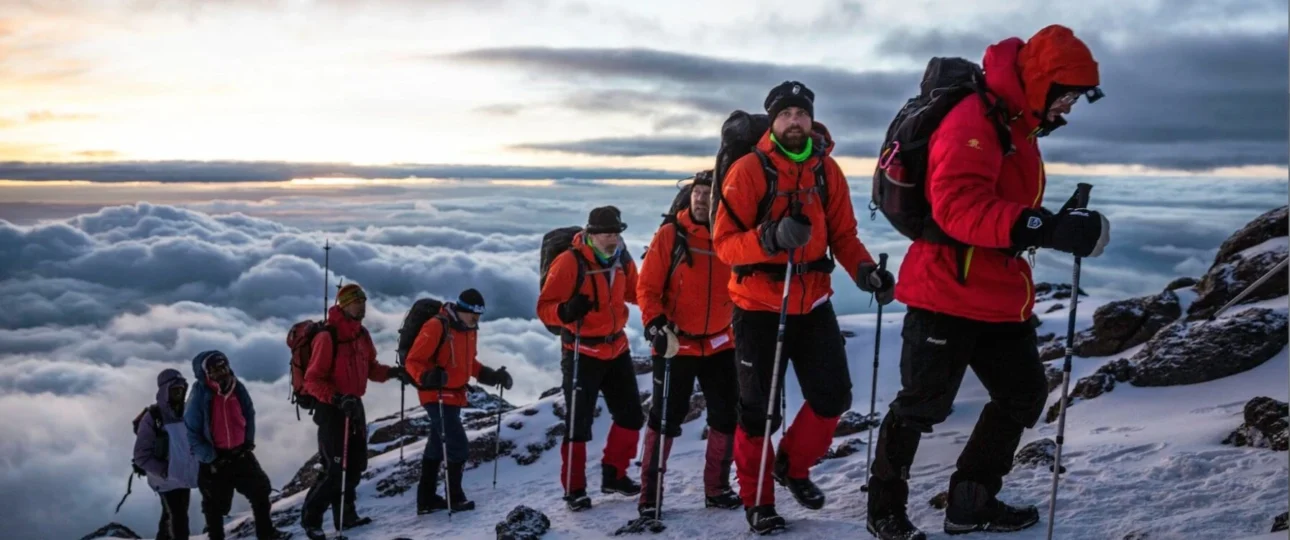
The feeling of standing at Uhuru Peak above the clouds is an unforgettable moment for every climber.
Best Kilimanjaro Routes
There are several routes to the summit, each offering different scenery, difficulty levels, and success rates.
Machame Route
The Machame Route is one of the most popular routes on Kilimanjaro because of its beautiful scenery and high summit success rate.
Highlights include:
- Scenic landscapes
- Good acclimatization
- Diverse ecological zones
- Excellent camping experiences
Most trekkers complete the route in 6 to 7 days.
Lemosho Route
The Lemosho Route is known for its stunning scenery and lower crowd levels. It is one of the best routes for acclimatization and offers excellent summit success rates.
Advantages include:
- Quiet trails
- Beautiful panoramic views
- Better altitude adaptation
- Comfortable trekking pace
This route is highly recommended for first-time climbers.
Northern Circuit Route
The Northern Circuit is the longest route on Kilimanjaro and has one of the highest summit success rates.
Benefits include:
- Less crowded paths
- Excellent acclimatization
- Unique northern mountain views
- Longer trekking adventure
Travelers who want a relaxed and scenic experience often choose this route.
Best Time to Climb Kilimanjaro
The best climbing seasons are:
- January to March
- June to October
These months usually provide:
- Clear skies
- Better weather
- Dry trails
- Great summit visibility
Although Kilimanjaro can be climbed year-round, rainy seasons may create more difficult trekking conditions.
How to Prepare for Kilimanjaro
Physical preparation is important for a successful summit.
Recommended training includes:
- Hiking
- Cardio workouts
- Stair climbing
- Strength training
- Long walks with a backpack
Preparing several weeks before the climb helps improve endurance and altitude performance.
Altitude Sickness on Kilimanjaro
Altitude sickness is one of the main challenges climbers face on the mountain. As elevation increases, oxygen levels decrease.
Tips to reduce altitude sickness:
- Climb slowly
- Stay hydrated
- Follow guide instructions
- Choose longer routes
- Get enough rest
The famous Swahili phrase “Pole Pole” means “slowly slowly” and is commonly used by mountain guides during the trek.
What to Pack for Kilimanjaro
Essential gear includes:
- Waterproof hiking boots
- Warm thermal clothing
- Sleeping bag
- Headlamp
- Rain jacket
- Gloves
- Trekking poles
- Sunscreen
Layered clothing is important because temperatures vary greatly from rainforest to summit.
Combine Kilimanjaro With Safari and Zanzibar
Many travelers combine Mount Kilimanjaro climbing with:
- Serengeti safaris
- Ngorongoro Crater tours
- Tarangire safaris
- Zanzibar beach holidays
This combination creates the ultimate Tanzania travel experience.
If you are planning a Kilimanjaro adventure, DeMi Tours & Travel offers professional mountain climbing packages, experienced guides, and customized itineraries for travelers worldwide.